Enterprise buyers often discover too late that “platform” meant a bundle of loosely connected products. For custom software and AI programmes, the expensive mistake is bolting models and modules onto different patient identifiers, then calling it integration.
Custom development vs configuration theatre
Configuration can cover much of outpatient workflow; acute pathways, device feeds, and group-wide reporting usually need deliberate software design. NHS Digital digitisation guidance assumes information is usable at the point of care—custom stacks should be judged against that bar, not against feature checklists alone.
AI that shares the same contract as the record
Useful clinical AI needs the chart’s permissions, provenance, and release process. A separate “innovation environment” rarely survives the first serious audit. Teams building on a modular electronic patient record software core can add inference services that read and write structured observations—not parallel spreadsheets.
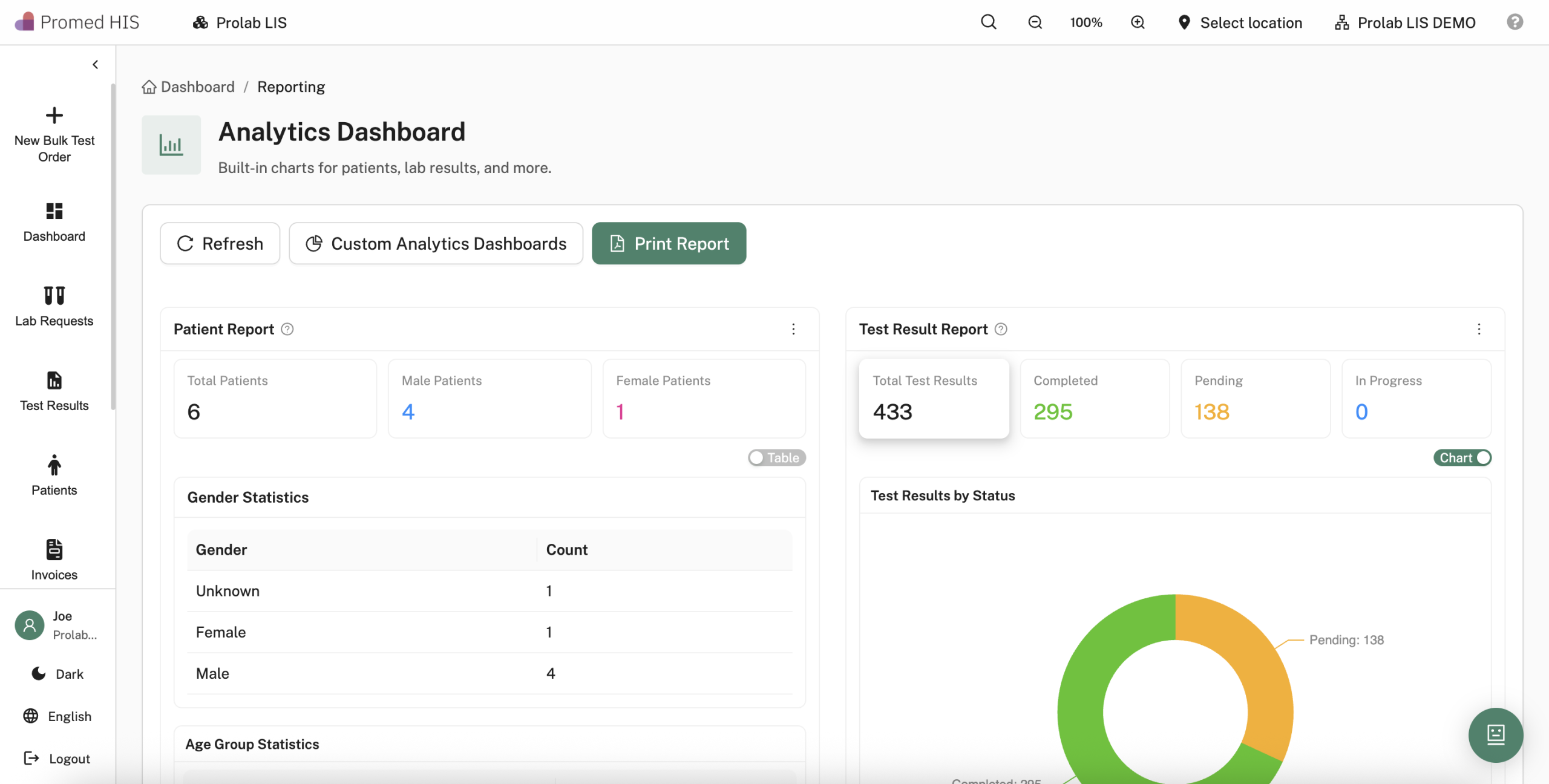
At scale, a connected healthcare platform approach reduces the integration tax each time a new ward, lab line, or model version ships. Promed HIS is one example of a modular hospital stack designed around that idea; the architectural point generalises to any serious custom programme.
Questions for procurement and engineering leads
- Does every new capability reuse one patient index and audit model?
- Can AI outputs be attributed to a user and encounter?
- Is integration a product milestone or a recurring services line item?
Custom software and AI in healthcare pay off when the delivery model treats the record as system of record—everything else extends it.